The TournoiFacile team · Updated on
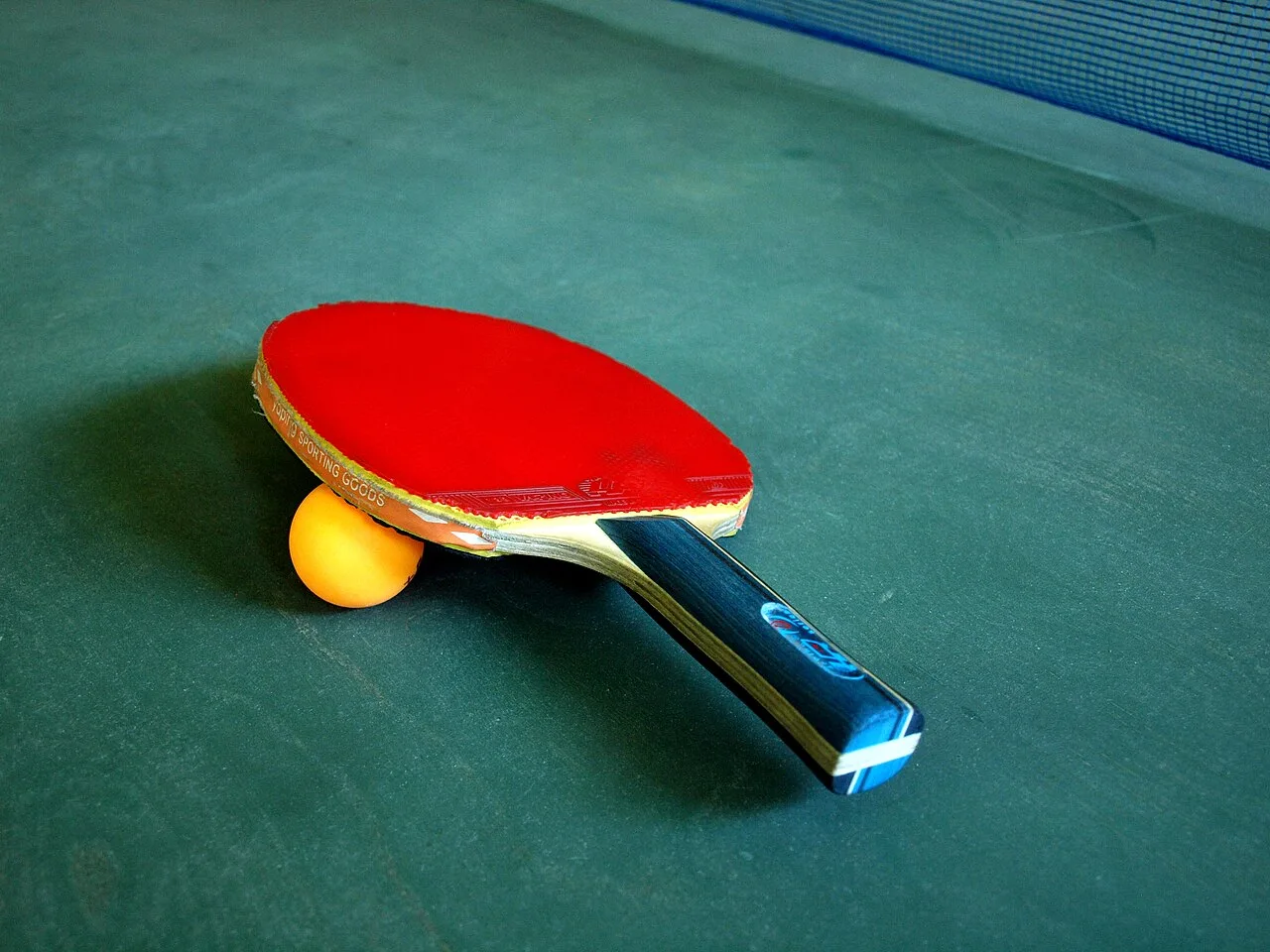

Choose singles or doubles
A singles entry represents one player; doubles brings two members together as a pair. Use separate categories for different levels or age groups. Recognisable pair names make the public schedule easier to follow.
Compare the group workload
Sixteen players in four groups of four each play three group matches, giving 24 matches before the knockout stage. Two groups of eight would require 56. Available tables and hall opening times should inform this choice, not just entry numbers.
Leave room between table rotations
Declare usable tables and number them as they are numbered in the hall. Matches can exceed estimated lengths, so include changeovers, warm-ups and umpiring arrangements. Check a player’s commitments if they enter several draws.
Record games without losing the match result
Use the table tennis profile to enter points for each game. Choose the match-winning format before play starts. Check standings and qualifiers, then publish the knockout draw and its start times on the same public page.
A worked example
16 players and four tables
Four groups of four, with the top two in each group advancing to the quarter-finals.
| Group stage | 24 matches |
|---|---|
| Quarter-finals through final | 7 matches |
| Total | 31 matches |
This excludes consolation and placement matches. Scheduling in waves must still respect qualifiers’ availability.
Step by step in TournoiFacile
Choose the sport and entrants
Select your sport when creating a tournament. Name the competition and enter the categories and numbers of entrants. You can add final names later. Open the custom format if your event needs a different structure.
Prepare the matches
Choose the groups and what follows them. Add the pitches, courts or tables you can actually use, together with the playing days and available times. Allow for breaks and changeovers.
Check the schedule
Generate the programme, then check rest times and each category’s start times. Manual placement also lets you work by round, phase or category. Review estimated times before publishing.
Record and share results
Enter results using the scoring screen for your sport. Share the public link so that participants and spectators can find fixtures, scores and standings on their phones.
Practical questions
Are doubles partners scheduled as separate players?
No. Both players form one entry in the doubles schedule.
Can I change a table assignment?
Yes. Change the placement in the schedule and check the affected matches and times.
These guides describe the workflows available in TournoiFacile. The figures are planning examples, not guaranteed running times. For a sanctioned competition, check the rules and requirements with your governing body.
Make it your tournament
Choose your sport, build the structure and check the outcome before sharing the public link.
Prepare my tournament · Compare plans