The TournoiFacile team · Updated on
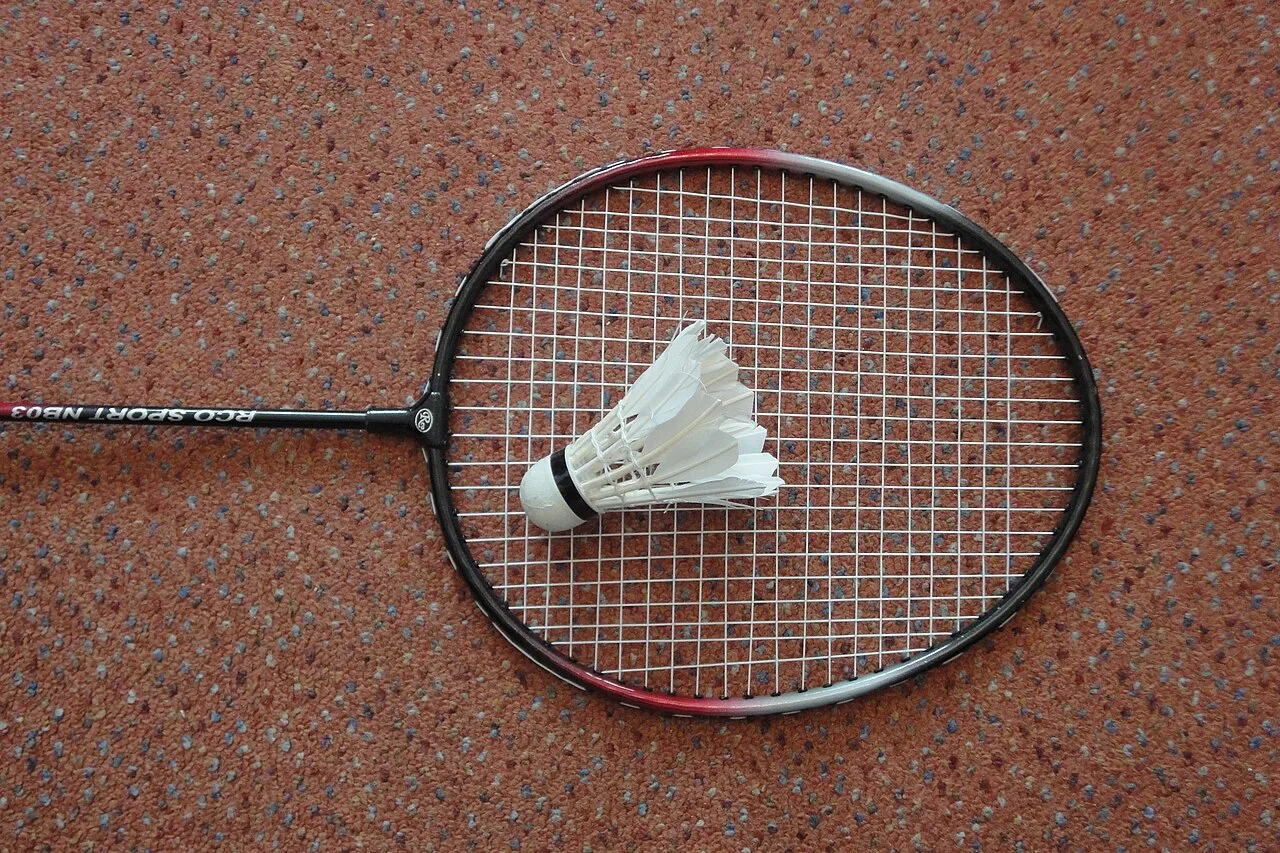

One entry per player or pair
Choose singles, doubles or mixed doubles. In doubles, both members belong to the same entry. If someone enters several draws, different pair names do not remove their scheduling conflicts: check that person’s fixtures across the programme.
Small groups for more playing time
Four groups of three give 12 entries two group matches each. Group winners can then enter semi-finals. In doubles, those 12 entries represent 24 players: the match count depends on pairs rather than headcount.
Allow for courts and waiting time
Enter the available courts and hall breaks. Leave room for long matches and calling players to court. Make the sequence of start times easy to follow, then check recovery before moving from groups into the knockout draw.
Use badminton set scores
Record sets in the badminton screen and use the appropriate decision for a walkover or retirement. Adding all points together does not determine the match winner. Share the public link for schedules, results and standings.
A worked example
12 entries in four groups of three
Each group winner advances to the semi-finals; the winners then play the final.
| Group stage | 12 matches |
|---|---|
| Final stage | 3 matches |
| Total | 15 matches |
This represents 12 singles players or 24 doubles players. The number of matches stays the same.
Step by step in TournoiFacile
Choose the sport and entrants
Select your sport when creating a tournament. Name the competition and enter the categories and numbers of entrants. You can add final names later. Open the custom format if your event needs a different structure.
Prepare the matches
Choose the groups and what follows them. Add the pitches, courts or tables you can actually use, together with the playing days and available times. Allow for breaks and changeovers.
Check the schedule
Generate the programme, then check rest times and each category’s start times. Manual placement also lets you work by round, phase or category. Review estimated times before publishing.
Record and share results
Enter results using the scoring screen for your sport. Share the public link so that participants and spectators can find fixtures, scores and standings on their phones.
Practical questions
Is mixed doubles supported?
Yes. Select mixed doubles and add both members of every pair.
Could a player have overlapping commitments?
Check this when a player enters several draws. Allow for recovery and review all their entries before publishing.
These guides describe the workflows available in TournoiFacile. The figures are planning examples, not guaranteed running times. For a sanctioned competition, check the rules and requirements with your governing body.
Make it your tournament
Choose your sport, build the structure and check the outcome before sharing the public link.
Prepare my tournament · Compare plans